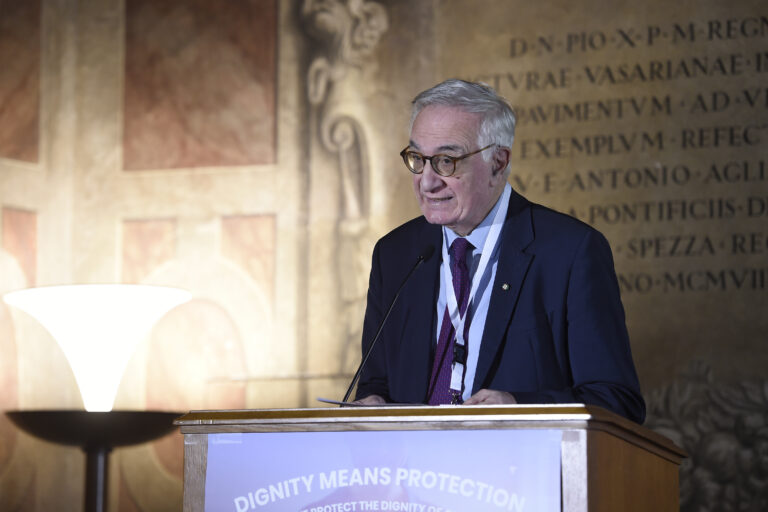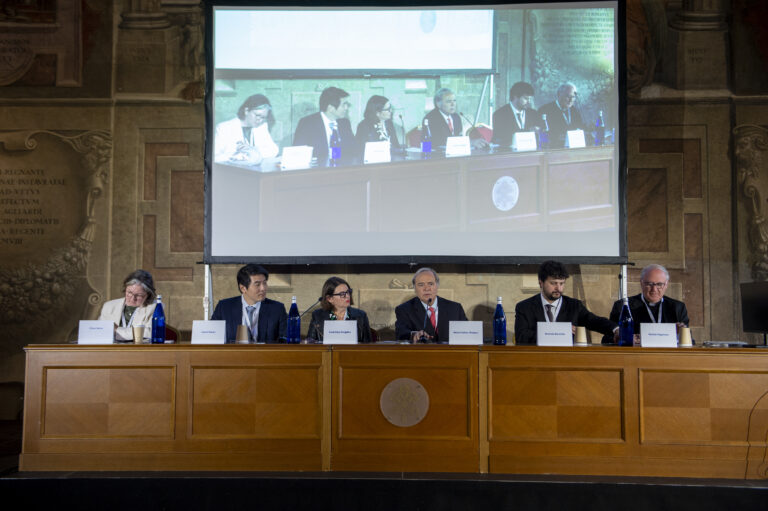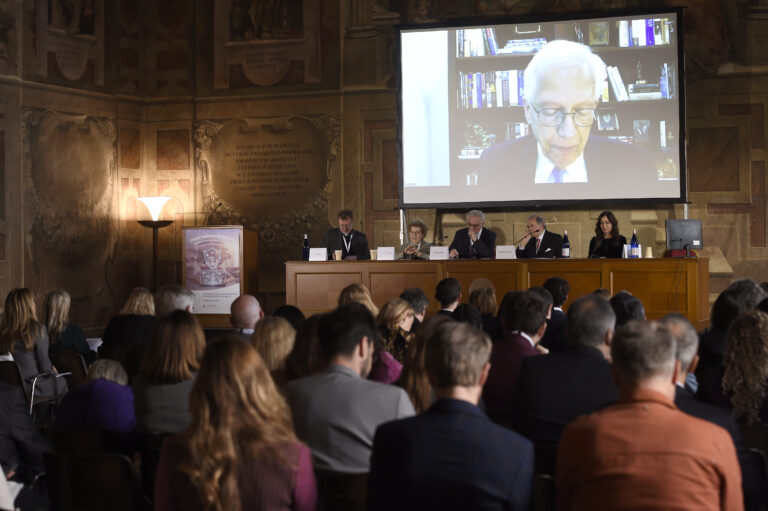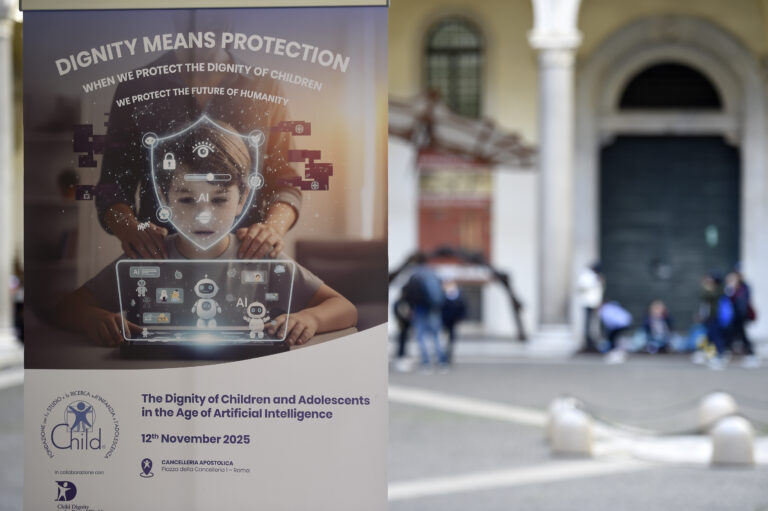
High Level Conference: The Dignity of Children and Adolescents in the Age of Artificial Intelligence
 Raffaella Pipitone
November 12, 2025 – Cancelleria Apostolica, Rome
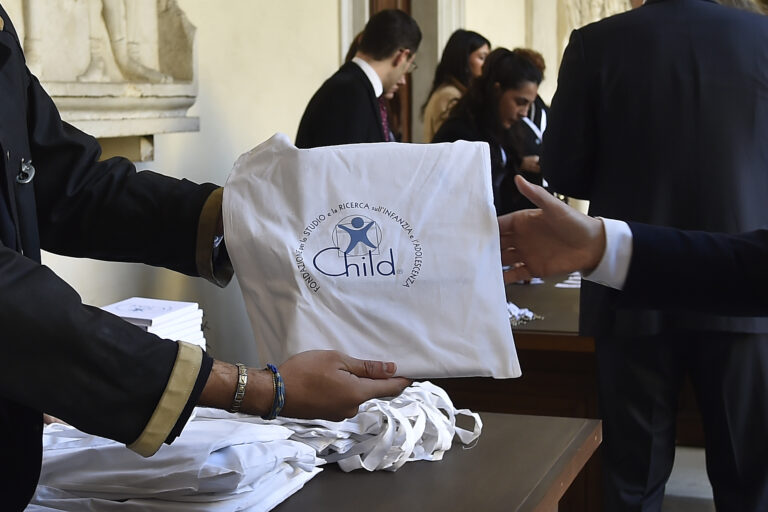
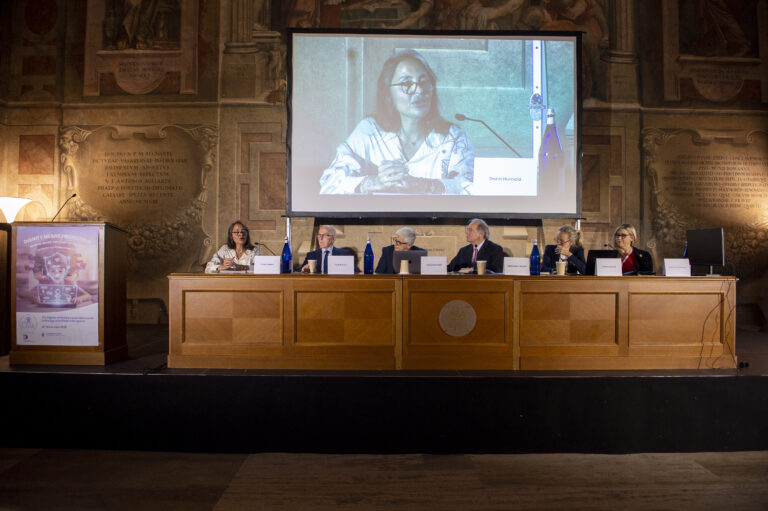
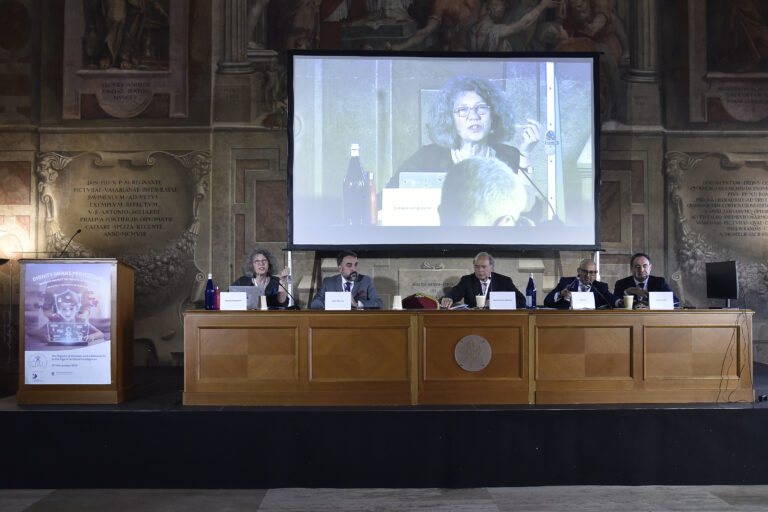
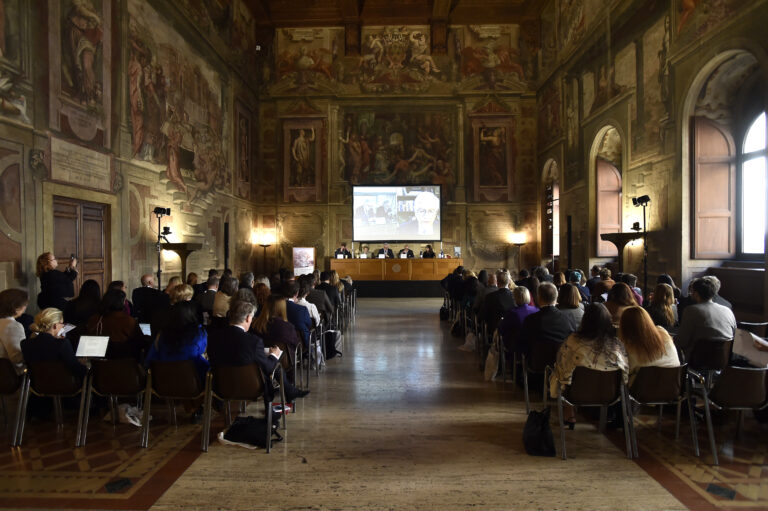
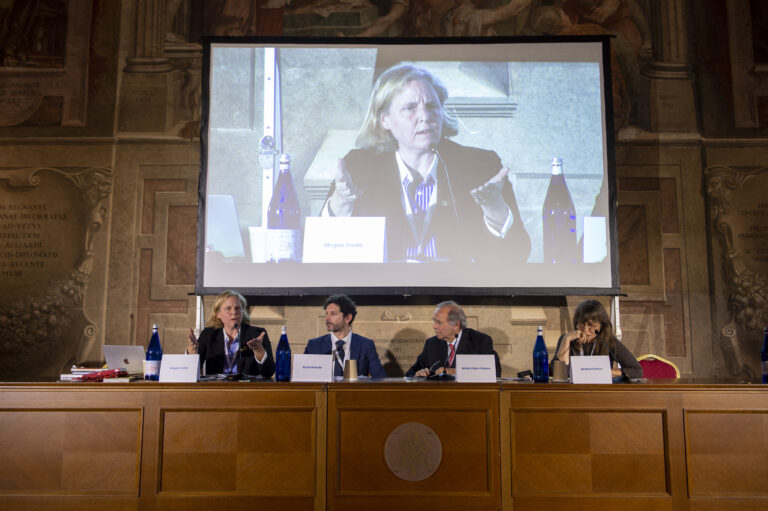
On 12-13 November 2025, Fondazione Child, in collaboration with the Child Dignity Alliance, convened the High-Level Meeting on Child Dignity in the Age of Artificial Intelligence, an international gathering that brought together representatives from institutions, academia, international organizations, faith communities, civil society, and leading technology companies to address one of the defining challenges of our time: ensuring that the development of Artificial Intelligence remains firmly grounded in the protection of children’s rights and human dignity.
Following the Magisterium of Pope Francis, continued by Pope Leo XIV, and guided by a vision of innovation centered on the human person, the meeting explored the ethical, legal, social, and anthropological implications of AI for children and adolescents. The discussions promoted an interdisciplinary dialogue on the opportunities and risks of emerging technologies, reaffirming the need for AI systems that protect, rather than undermine, the well-being, freedom, and development of younger generations. It fostered a humanistic digital culture based on respect for dignity and personal freedom, countering all forms of cognitive homogenization and technological subordination.
November 13, 2025
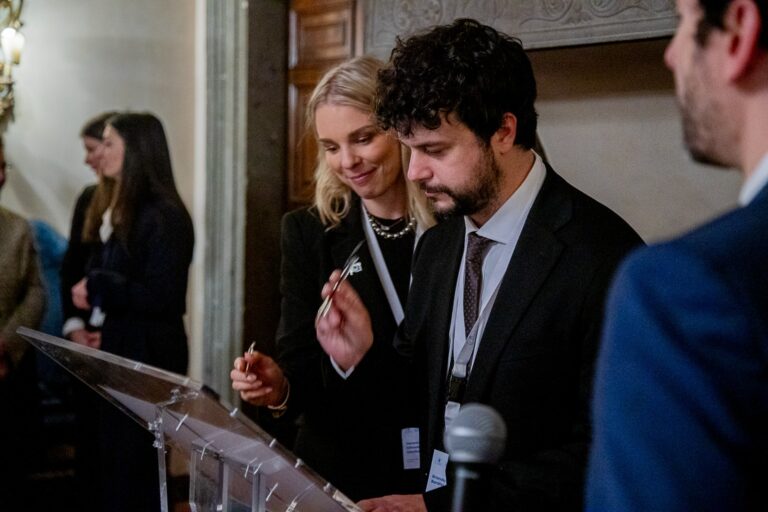
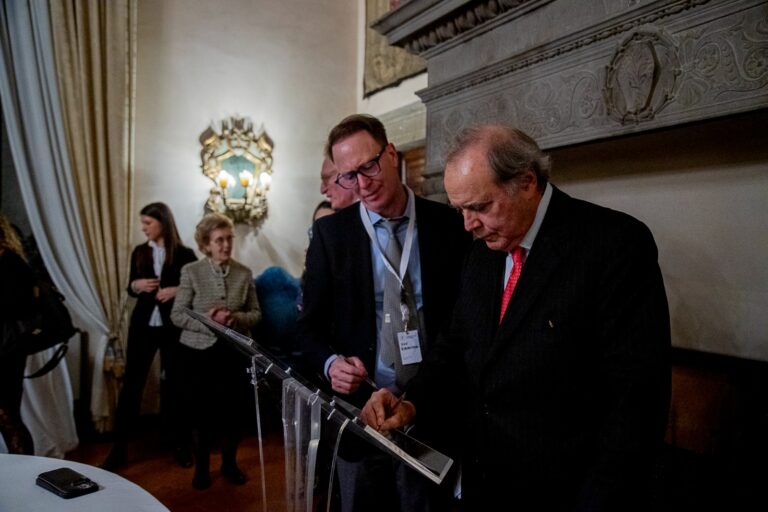
The conference culminated on 13 November with the presentation to Pope Leo XIV of the Declaration on Child Dignity in the Artificial Intelligence Era, a joint commitment promoted by Fondazione Child and the Child Dignity Alliance, that sought to provide meaningful contributions to the drafting of the Encyclical on Artificial Intelligence.
The Declaration calls upon governments, international institutions, industry, academia, educators, faith communities, and civil society to build a new human covenant for the digital age, placing the dignity, safety, and rights of every child at its center.
The Declaration is founded on six pillars of action:
- Protection and Safety – Prevent all forms of abuse and exploitation of children online and through artificial intelligence.
- Education and Empowerment – Promote digital and emotional awareness among children, parents, and educators.
- Ethical and Transparent Technology – Support AI grounded in human values such as responsibility, fairness, and compassion.
- Global Governance and Accountability – Strengthen international cooperation and the protection of children’s rights.
- Research and Innovation for Good – Direct technology toward the well-being, health, inclusion, and education of children.
- Interreligious and Intergenerational Solidarity – Unite the voices of different faiths and generations in a shared moral commitment.
The High-Level Meeting marked an important step toward a shared international vision of responsible AI governance, reaffirming that technological innovation must always remain at the service of humanity and that protecting children is a collective responsibility requiring global cooperation.
Explore the Full Program and Speakers
Read the full Declaration below
Child Dignity in the Artificial Intelligence Era
A Declaration promoted by Fondazione Child and the Child Dignity Alliance
“Developments in the field of artificial intelligence pose new challenges for the defense of human dignity, justice and labor… this powerful technology risks turning human relations into mere algorithms.”
— Pope Leo XIV, May 2025
Opening Reflection
At a moment when artificial intelligence is reshaping human life in profound ways, we are called to reflect upon its meaning for the youngest among us. The era of artificial intelligence is not only a technological event — it is a moral moment. It compels us to ask who we are, what we value, and how we will preserve the sacredness of every human being, especially of every child. Safe and trustworthy AI should be seen as a right, being a revolutionary technology that will help people unlock their potential and shape their future. In our pursuit of progress, we must not lose sight of the most fragile, the voiceless, the unseen. Young people deserve technology that expands opportunity and protects their well-being.
Human Dignity and the Child
The digital environment was not built having children in mind, while offering extraordinary possibilities for children, such as access to knowledge, opportunities for creativity and tools for learning, it has also become a space where children’s innocence is threatened and their dignity is tested. As AI systems are increasingly imitating care, and becoming human-like, simulating affection and attachment, we must ask what is a stake for children and their emotional and cognitive development. When used well, artificial intelligence can support literacy, expand access to tutoring, help children discover new interests, and empower young people to learn safely at their own pace. However, AI is also being used to create and distribute child sexual abuse material, to manipulate images and to violate fundamental rights of the most vulnerable users. These global challenges require a global solution: protection and safety must be placed at the center of an international effort.
An Ethical Responsibility for the Digital Age
We affirm the right of every child to live, grow, and dream in safety. Innovation and creativity must walk hand in hand with ethical responsibility. Artificial intelligence, like every human creation, must remain at the service of humanity — not above it. Governments, industries, educators, and faith communities share a sacred duty: to ensure that technology protects rather than endangers, uplifts rather than degrades, enlightens rather than exploits.
A Call to Action
In this spirit, we, gathered under the guidance of Fondazione Child and the Child Dignity Alliance, united with partners across faiths, nations, and disciplines, call for a new human covenant for the digital age — one that places the dignity of every child at its heart. We commit ourselves to the following six pillars of action:
• Protection and Safety: Establish robust safeguards and mechanism that seek to prevent and respond to online and AI facilitated abuse, exploitation, and manipulation of children.
• Education and Empowerment: Promote digital and emotional literacy so that children, parents, and educators can navigate technology with awareness, wisdom, and resilience.
• Ethical and Transparent Technology: Encourage the development of AI systems grounded in human values — transparency, accountability, fairness, and compassion.
• Global Governance and Accountability: Strengthen international cooperation to ensure that laws, standards, and institutions uphold children’s rights across nations and digital platforms.
• Research and Innovation for Good: Foster collaboration among academia, civil society, and the private sector to harness AI for child well-being, health, education, and inclusion.
• Interfaith and Intergenerational Solidarity: Unite voices across generations and beliefs to renew our shared commitment to protect and nurture the humanity of every child.
This declaration is a call to conscience and to action. The age of artificial intelligence must not be an age of moral indifference. Each innovation must be in pursuit of advancing the common good. We invite leaders, institutions, and citizens of every nation to join this covenant of responsibility — to ensure that technology, guided by wisdom and love, becomes a means of protecting what is most precious: the dignity, imagination, and hope of our children.
Signed and adopted at the High-Level Meeting on Child Dignity in the Artificial Intelligence Era
Vatican City, 13 November 2025
Fondazione Child and Child Dignity Alliance
The signatories of the document are:
Adam Billen – Encode AI
Anna Maria Tarantola – Professor; Vice President of the Giulia Cecchettin Foundation
Beeban Kidron, Sonia Livingstone – LSE (London School of Economics)
Caterina Chinnici, Brando Benifei, Emilio Puccio – European Parliament Intergroup on children rights
Christine Grahn – TikTok
Courtney Gregoire – Microsoft
Elena Martellozzo – ChildLight
Ernesto Caffo – Fondazione S.O.S. Il Telefono Azzurro ETS; Fondazione Child
Francesco Lapenta, Franco Pavoncello – John Cabot University
Giuseppe Italiano – Luiss Guido Carli
Hans Zollner – Istituto di Antropologia della Pontificia Università Gregoriana
Hoffman Shawma, Dov Rubinstein – ICMEC
Irakli Beridze – UNICRI Centre for AI and Robotics
Jason Kwon – OpenAI
Joanna Rubinstein – Former President and CEO, World Childhood Foundation USA; WEF Global Coalition for Digital Safety
Joanna Shields – WeProtect Global Alliance
José María del Corral – Scholas Occurrentes
Kerry Smith – IWF
Laura Bononcini – Meta
Marija Manojlovic – Safe Online
Mario Calvo Platero – Journalist
Mark Latonero – Responsible AI Future Foundation
Megan Smith – Shift7
Michelle De Laune – NCMEC
Mike Milham – Mind Institute
Philip Jaffé, Helen Mason – Child Helpline International
Robert Hoving – Inhope
Travis Heneveld, Chloe Setter – Google
Vance Cyrus – Common Sense Media
Warren Binford, John Fluke – Kempe Center; ISPCAN